What is a fair miss?
A miss where the player can understand the timing, angle, aim, or position that caused it.
A missed shot should teach something.
Sports pages do not need full league depth to be useful. They do need fair feedback. A missed shot should teach something. A weak return, bad angle, late save, or mistimed punch should make the next attempt clearer. If failure feels random, the sport idea turns into decoration.
We review sports games by looking at the moment of contact: aim, release, timing window, rebound, score, save, or return. The more clearly the page explains that moment, the more confident we are recommending it.
Good sports pages make the simplified rules feel connected to the sport they borrow from. Pool should care about angle. Table tennis should care about timing and return position. Football shots should show why the ball missed. Boxing should make spacing and timing matter. A compact match can still be satisfying when the feedback is honest.
We are careful with official-sounding language. Unless a page clearly supports it, we do not present these games as official league products. GameFunn's role is to explain the play loop and device fit, not to inflate the page.
Desktop is usually best for aiming lines, cue control, fast returns, and small timing windows. Mobile works for sports pages with large gestures and simple release timing, but cramped screens can hide the ball, target, table, or opponent. When precision matters, a wider screen is usually calmer.
We select sports games when the first session shows a recognizable sport action and gives the player a fair reason to retry. Editor picks are chosen for readable scoring, useful miss feedback, and controls that make the simplified sport feel honest. We avoid pages where the sports label is just a costume over unrelated tapping.
Sports editor picks are chosen when aiming, timing, scoring, or fair misses are readable early. They are compact sports ideas, not claims of full simulation.
 Billiard Champion
Billiard Champion leads the sports picks because it slows the page down in a useful way. Instead of rushing, the player has to read the table, choose a line, and accept that patience is part of the shot.
Editor pick: a good sample for patient table reading and measured cue control.
 Blaze Ball Showdown
Blaze Ball Showdown gives the editor section a faster ball-read test. The value is not realism; it is whether the ball remains trackable while the exchange speeds up.
Editor pick: useful for checking whether a fast ball exchange still gives readable feedback.
 Crab Penalty
Crab Penalty works as an editor pick because the whole page turns on one readable kick. Direction, timing, and retry speed are easy to judge within a short visit.
Editor pick: a compact penalty page where direction and retry speed are easy to judge.
The reviewed sports cards below use different review angles for different sports: table patience for pool, shot direction for football pages, reaction windows for boxing, puck movement for hockey, and return timing for table tennis.
Billiard ChampionBilliard Champion is strongest when treated as a patient aiming page. The useful part is lining up the shot, reading the table, and noticing whether a miss came from angle or power.
Blaze Ball ShowdownBlaze Ball Showdown plays closer to a quick ball duel than a full match. We look for visible ball movement, readable rebounds, and enough feedback to explain the next save or strike.
Crab PenaltyCrab Penalty is a penalty-style page where the shot moment matters more than match depth. Direction, release timing, and a fast retry decide whether the miss feels fair.
 Flick N Goal
Flick N Goal is best judged by how cleanly the flick connects to the shot path. A good attempt should make the player think about angle rather than just repeat the same swipe.
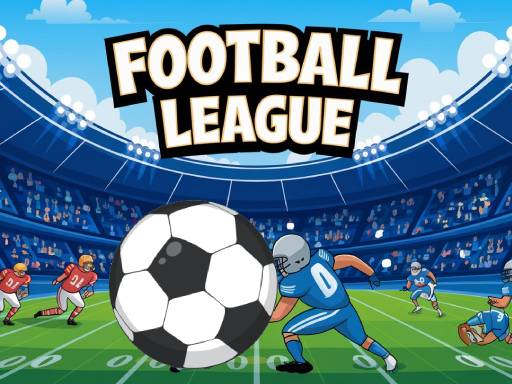 Football League
Football League works when the match rhythm is readable in small pieces. The review focuses on whether passing, shooting, or timing cues are clear enough for another quick round.
 Footy Frenzy
Footy Frenzy is a lighter football page, so the first question is whether the ball and target stay easy to read. Quick retries matter more here than deep team simulation.
 Goal Arena 3D
Goal Arena 3D is about reading the goal moment quickly. We care about whether the ball path, keeper space, or scoring angle gives useful feedback after a miss.
 Head Ball Championship2
Head Ball Championship2 relies on return timing and positioning rather than full football realism. The useful review question is whether each failed header explains the next jump.
 Ice Hockey
Ice Hockey needs readable puck movement. If the puck path and angle control stay visible, a miss can teach better positioning instead of feeling random.
 Mini Boxing
Mini Boxing is reviewed around reaction windows and hit feedback. A good exchange should show whether the player was late, too close, or open to a counter.
 Pinball Football Champion
Pinball Football Champion mixes rebound reading with a football target. The review looks at whether deflections feel learnable or just bounce around without useful feedback.
 Ping Pong Table Tennis
Ping Pong Table Tennis should make the ball easy to follow across the table. Return timing, paddle position, and visible misses matter more than extra decoration.
 Real Pool 3D
Real Pool 3D is a slower sports pick built around table patience. The important review detail is whether aim, cue strength, and ball position remain readable before the shot.
A miss where the player can understand the timing, angle, aim, or position that caused it.
No official status is claimed unless a page clearly documents it. These are reviewed as browser entertainment pages.
Aiming and timing cues are easier to read on a wider screen with steadier input.
Yes, when gestures are large and the important ball, table, goal, or target remains visible.
Random misses, unclear scoring, misleading labels, cramped controls, or official-sounding claims that the page does not support.