Does multiplayer-style always mean live opponents?
No. Some games use bots, local turns, table logic, or competitive pressure. We avoid claiming live opponents unless the game clearly supports it.
Multiplayer pages need clarity before competition.
Multiplayer pages need clarity before competition. A page can show rivals, cards, teams, dice, or IO-style pressure, but the visitor still needs to understand what is shared, whose turn matters, and what the next decision changes. Without that, competition becomes visual noise.
We are especially careful with card and table pages. GameFunn describes them as browser entertainment, not gambling opportunities. We avoid money-play language and do not imply real rewards. The review focus is table readability, turn logic, and whether the category wording stays calm and accurate.
A strong multiplayer-style page makes state visible. Cards, pieces, teams, rival movement, lanes, or board positions should tell the player what is happening. Some pages may use bots, local turns, or simulated rivals rather than live online opponents; we do not claim live play unless the game clearly supports it.
The best pages in this category are readable before they are competitive. If the table is tiny, the turn order is unclear, or the page leans on vague matchmaking claims, it needs correction before it can be recommended strongly.
Desktop is usually the safer fit for card tables, dice boards, and anything with several state indicators. Mobile works for simpler rival-pressure rounds when buttons and labels remain large. If a player has to pinch, guess, or lean into the screen to read the table, the device fit should say so.
We select multiplayer-style games when the shared structure is visible in the first session. Editor picks are chosen for readable tables, clear turn logic, non-gambling wording, and a competitive idea that can be explained without exaggeration. A page does not need to be massive; it needs to be understandable.
Multiplayer editor picks favor table state, turn clarity, and careful wording. The page has to explain the shared structure before it asks the visitor to compete.
 City Runio
City Runio is an editor pick because it shows this category's standard quickly: the first session gives enough evidence to judge fit, controls, and pacing without digging through a long setup.
Editor pick: this one gives a quick sample of the category standard without needing a long setup.
 Color Path IO
Color Path IO is an editor pick because it shows this category's standard quickly: the first session gives enough evidence to judge fit, controls, and pacing without digging through a long setup.
Editor pick: this one gives a quick sample of the category standard without needing a long setup.
 Holdem Card Game
Holdem Card Game is an editor pick because it shows this category's standard quickly: the first session gives enough evidence to judge fit, controls, and pacing without digging through a long setup.
Editor pick: this one gives a quick sample of the category standard without needing a long setup.
The reviewed multiplayer cards below describe the rival, table, turn, or shared-state reason each page belongs here, with non-gambling wording kept deliberate.
City RunioCity Runio is included when the player has a rival, table, or shared state to read. The review avoids pretending competition is clear when the page does not show it.
Color Path IOColor Path IO works as a multiplayer-style pick when turn logic or opponent pressure is understandable. Clarity comes before competition here.
Holdem Card GameHoldem Card Game gives the category a shared-state page without leaning on gambling language. We look at table readability and round structure first.
 Mythic Auto Chess Realms
Mythic Auto Chess Realms belongs here when the next decision depends on another side of play. The review checks whether the player can read that state quickly.
 Rookie Wars Red And Blue
Rookie Wars Red And Blue is judged by how plainly it shows cards, pieces, rivals, or turn order. If the table is unclear, the detail review should say so.
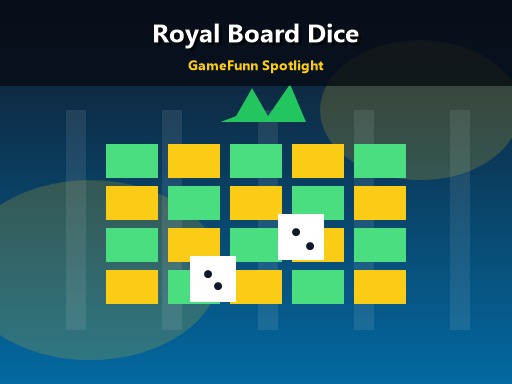 Royal Board Dice
Royal Board Dice adds a competitive-style option to the list. The value is in readable pressure, not exaggerated claims about live play.
 Seotda Card Game
Seotda Card Game is reviewed for table and turn clarity. Larger screens may make the shared state easier to follow before the round gets busy.
 Seven Card Game
Seven Card Game is included when the player has a rival, table, or shared state to read. The review avoids pretending competition is clear when the page does not show it.
No. Some games use bots, local turns, table logic, or competitive pressure. We avoid claiming live opponents unless the game clearly supports it.
Card and table games should be presented as entertainment pages, not money-play opportunities.
Often yes, especially when cards, dice, tables, or several state indicators need room.
Clear turn order, visible table state, understandable rivals, and labels that do not make the player guess.
Money-play wording, unclear turns, misleading matchmaking claims, broken frames, or unreadable table layouts.