What makes a puzzle page trustworthy?
The rule is visible, the board is readable, and feedback explains why a move helped or hurt.
A good puzzle game should make the next step feel understandable, not hidden.
Puzzle pages do not need to be complicated to be worth reviewing. They need to be legible. A good puzzle game should make the next step feel understandable, not hidden. That does not mean the solution is obvious; it means the player can see the rule, understand the board, and make a decision that teaches something.
We are suspicious of puzzle pages that turn into random tapping. If the board changes but the player cannot tell why, the loop is weak. The strongest pages create a small rhythm: observe, choose, test, adjust. Even a short merge or matching game can feel satisfying when that rhythm is clear.
The first minute should reveal what the player is thinking about. Is it space management, pattern recognition, number logic, card order, path drawing, or object placement? Once that is clear, we look at feedback. A failed move should narrow the next choice instead of making the player tap blindly.
Mobile readability is a big part of puzzle review. Many puzzle games appear simple on desktop but become cramped on phones. Tiny numbers, small cards, blocked boards, and drag targets under the thumb can turn a calm thinking loop into an uncomfortable screen test.
Mobile can be excellent for large tap puzzles, simple merges, and one-board challenges. Desktop is better for dense layouts, solitaire-style tables, small labels, or puzzles where seeing the whole state at once matters. We do not call a puzzle mobile-friendly just because it loads on a phone; the board has to remain readable after the first few moves.
We select puzzle games when the rule can be explained honestly and the page gives visitors a reason to think. Editor picks are chosen for clean first-session feedback, not for difficulty alone. A hard puzzle with muddy rules is less useful than a simple puzzle that lets the player understand exactly why one move worked better than another.
Puzzle editor picks are chosen for readable rules and a real thinking loop. The best ones make a visitor want to adjust the next move, not tap through uncertainty.
 Bubble Merge 2048
Bubble Merge 2048 is an editor pick because it shows this category's standard quickly: the first session gives enough evidence to judge fit, controls, and pacing without digging through a long setup.
Editor pick: this one gives a quick sample of the category standard without needing a long setup.
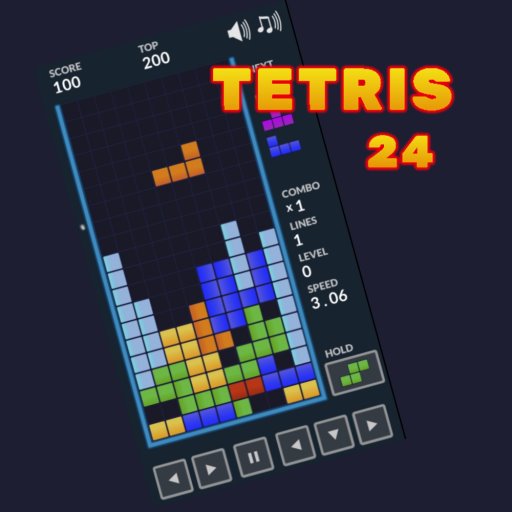 Draw Save Puzzle
Draw Save Puzzle is an editor pick because it shows this category's standard quickly: the first session gives enough evidence to judge fit, controls, and pacing without digging through a long setup.
Editor pick: this one gives a quick sample of the category standard without needing a long setup.
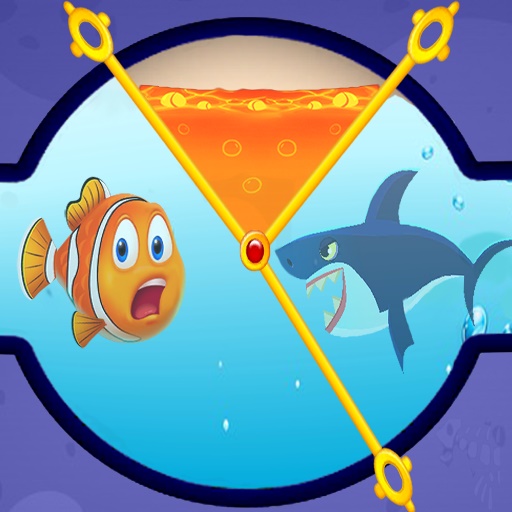 Emerland Solitaire
Emerland Solitaire is an editor pick because it shows this category's standard quickly: the first session gives enough evidence to judge fit, controls, and pacing without digging through a long setup.
Editor pick: this one gives a quick sample of the category standard without needing a long setup.
The reviewed puzzle cards below name the kind of decision each game asks for, plus whether the layout is more comfortable on mobile or desktop.
Bubble Merge 2048Bubble Merge 2048 is included because the player has something specific to figure out. The review looks for a rule that becomes clearer instead of more hidden.
Draw Save PuzzleDraw Save Puzzle works as a puzzle pick when the board gives useful feedback after each move. Random tapping is the line we try not to cross.
Emerland SolitaireEmerland Solitaire is judged by its thinking loop: observe, choose, test, and adjust. Mobile readability matters as much as the idea itself.
 Emoji Skill Puzzles
Emoji Skill Puzzles gives the category a calmer decision page. We look at whether the next move feels understandable before the frame becomes the focus.
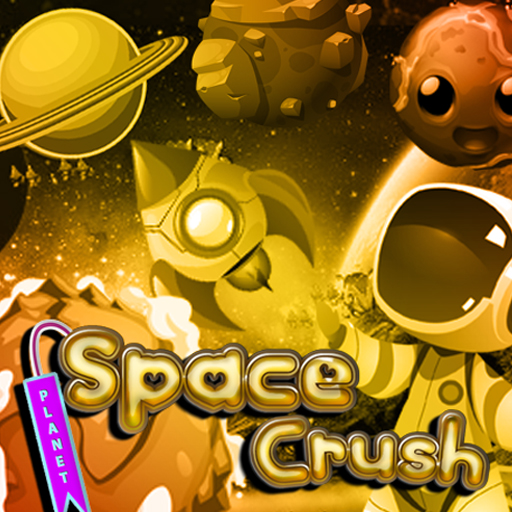 Halloween Math Shot
Halloween Math Shot belongs here when the challenge is planning rather than reaction. The review checks if the board state remains readable after mistakes.
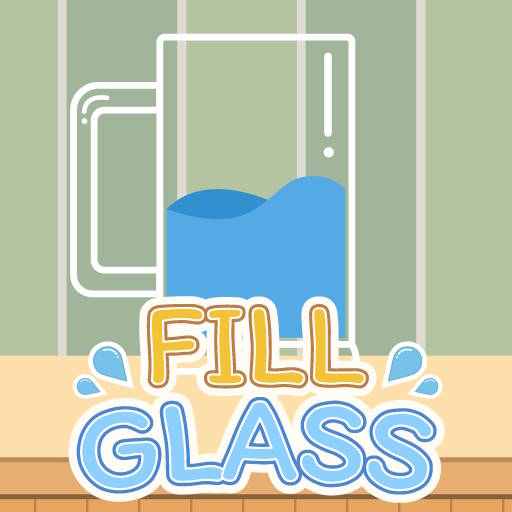 Halloween Merge Mania
Halloween Merge Mania is a useful puzzle listing if the first round teaches the rule cleanly. A small puzzle can still be worth keeping when feedback is honest.
 Hexa Dots
Hexa Dots is reviewed for clarity first. The question is whether the layout supports thinking on the device the visitor actually uses.
 Keep Prime Numbers
Keep Prime Numbers is included because the player has something specific to figure out. The review looks for a rule that becomes clearer instead of more hidden.
 Kids Geometry
Kids Geometry works as a puzzle pick when the board gives useful feedback after each move. Random tapping is the line we try not to cross.
 Magic Solitaire
Magic Solitaire is judged by its thinking loop: observe, choose, test, and adjust. Mobile readability matters as much as the idea itself.
 Point To Merge
Point To Merge gives the category a calmer decision page. We look at whether the next move feels understandable before the frame becomes the focus.
 Screw Jam
Screw Jam belongs here when the challenge is planning rather than reaction. The review checks if the board state remains readable after mistakes.
 Spooky Links
Spooky Links is a useful puzzle listing if the first round teaches the rule cleanly. A small puzzle can still be worth keeping when feedback is honest.
 Spot The Unique Halloween
Spot The Unique Halloween is reviewed for clarity first. The question is whether the layout supports thinking on the device the visitor actually uses.
 Spot Unique Animal
Spot Unique Animal is included because the player has something specific to figure out. The review looks for a rule that becomes clearer instead of more hidden.
 Zoo Zoom Shapes
Zoo Zoom Shapes works as a puzzle pick when the board gives useful feedback after each move. Random tapping is the line we try not to cross.
The rule is visible, the board is readable, and feedback explains why a move helped or hurt.
Many are, but only when pieces, numbers, and targets remain large enough after play begins.
A puzzle should reward observation and adjustment, not random tapping.
Yes. Simple is fine when the rule is clean and the next step feels understandable.
Tiny UI, hidden rules, misleading category placement, broken frames, or feedback that no longer matches the review.